

Summarize This Post With
- This Page Covers :
-
What Is Dry Ice and How Does It Affect the Human Body?
-
Is Dry Ice Dangerous and Why Experts Treat It With Caution?
-
What Are Dry Ice Side Effects on Humans in Real Situations?
-
Is Dry Ice Dangerous to Touch and What Happens at the Skin Level?
-
What Are Dry Ice Side Effects That Long Term Exposure Can Create?
-
What Is Dry Ice Used For and Why Is It Still Widely Used?
-
What Are 5 Uses of Dry Ice That Show Its Practical Value?
-
What Happens If You Inhale Dry Ice Fumes and How Does the Body React?
-
Is Dry Ice Safe to Consume in Drinks or Is It a Hidden Danger?
-
Why Can Dry Ice Become Life Threatening in Closed Spaces?
-
How Can You Use Dry Ice Safely in Real Life Situations?
-
Why Do People Still Get Injured From Dry Ice Despite Awareness?
-
FAQs
-
Is dry ice harmful or not?
-
What are the symptoms of dry ice poisoning?
-
Is dry ice ok in drinks?
-
What are three things you should never do with dry ice?
-
How to handle dry ice safely?
-
Can you handle dry ice without gloves?
-
Which poison is called a silent killer?
-
What are the 5 signs and symptoms of poisoning?
-
How to recover from dry ice exposure?
-
Conclusion: Why Understanding Dry Ice Side Effects Is Essential for Safety
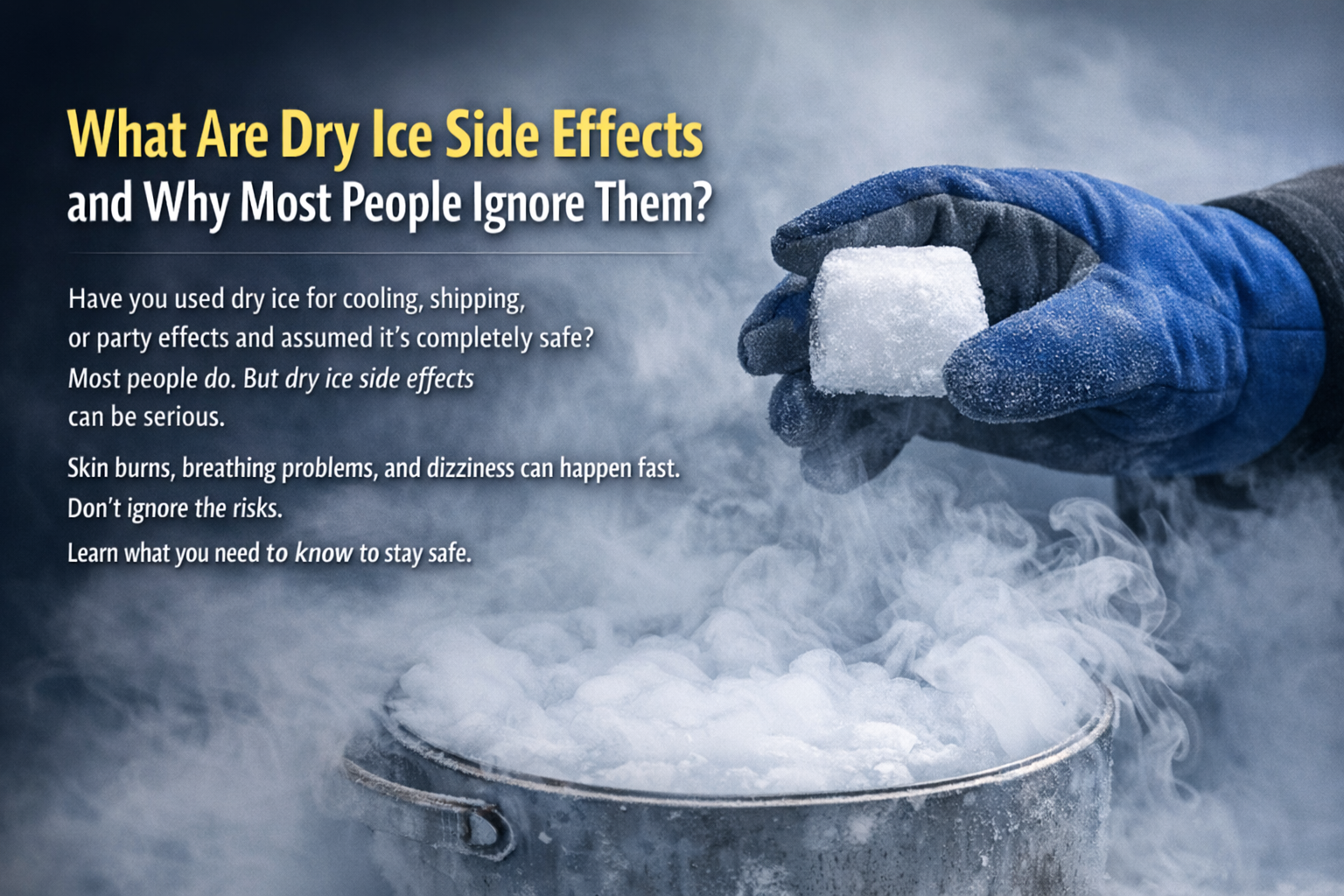
Have you ever used dry ice for cooling, shipping, or making smoke effects and thought it was completely safe? Most people do exactly that. They focus on its benefits but ignore the risks.
Dry ice side effects are often hidden until something goes wrong. People only realize the danger after they experience skin burns, breathing problems, or dizziness.
The biggest problem is a lack of awareness. Many users think dry ice is just frozen water, but in reality, it behaves very differently. It does not melt into water. It turns directly into gas. That gas can silently replace oxygen in the air. This is where the real danger begins.
If you are using dry ice at home, in business, or even at events, you need to understand how it affects your body and environment. This guide will give you deep insight so you can avoid serious mistakes.

What Is Dry Ice and How Does It Affect the Human Body?
Dry ice is solid carbon dioxide. When it warms up, it changes into a gas without becoming liquid. This gas is heavier than air. It settles in low areas and reduces oxygen levels. Your body needs oxygen to function properly. When oxygen decreases, your body reacts quickly.
Dry ice side effects start when your body cannot get enough oxygen or when your skin is exposed to extreme cold. Your lungs, skin, and nervous system are the most affected parts. Even short exposure in the wrong conditions can cause discomfort. Longer exposure can become dangerous.
Is Dry Ice Dangerous and Why Experts Treat It With Caution?
Yes, dry ice is dangerous, and professionals handle it with strict safety rules. The danger comes from two main factors. The first is extreme cold. The second is the release of carbon dioxide gas. The temperature of dry ice is far below freezing. When it touches your skin, it removes heat instantly. This causes cell damage, similar to a burn.
The gas it releases can fill a room quickly. You may not notice it because it has no smell. But your body will react when oxygen levels drop. Experts always recommend ventilation, protective gear, and proper storage. Ignoring these rules increases the risk of dry ice side effects.
What Are Dry Ice Side Effects on Humans in Real Situations?
Dry ice’s side effects on humans depend on how exposure happens. When it touches skin, it causes frostbite. The skin becomes pale, hard, and painful. In severe cases, it can damage deeper tissues.
When you inhale carbon dioxide gas, your body struggles to breathe properly. You may feel pressure in your chest. Your heartbeat may increase. You may feel confused.
In enclosed environments, symptoms can worsen quickly. Some people lose consciousness without warning. Eye exposure is another risk. If the gas concentration is high, it can irritate the eyes and cause discomfort. These effects show that dry ice should never be taken lightly.
Is Dry Ice Dangerous to Touch and What Happens at the Skin Level?
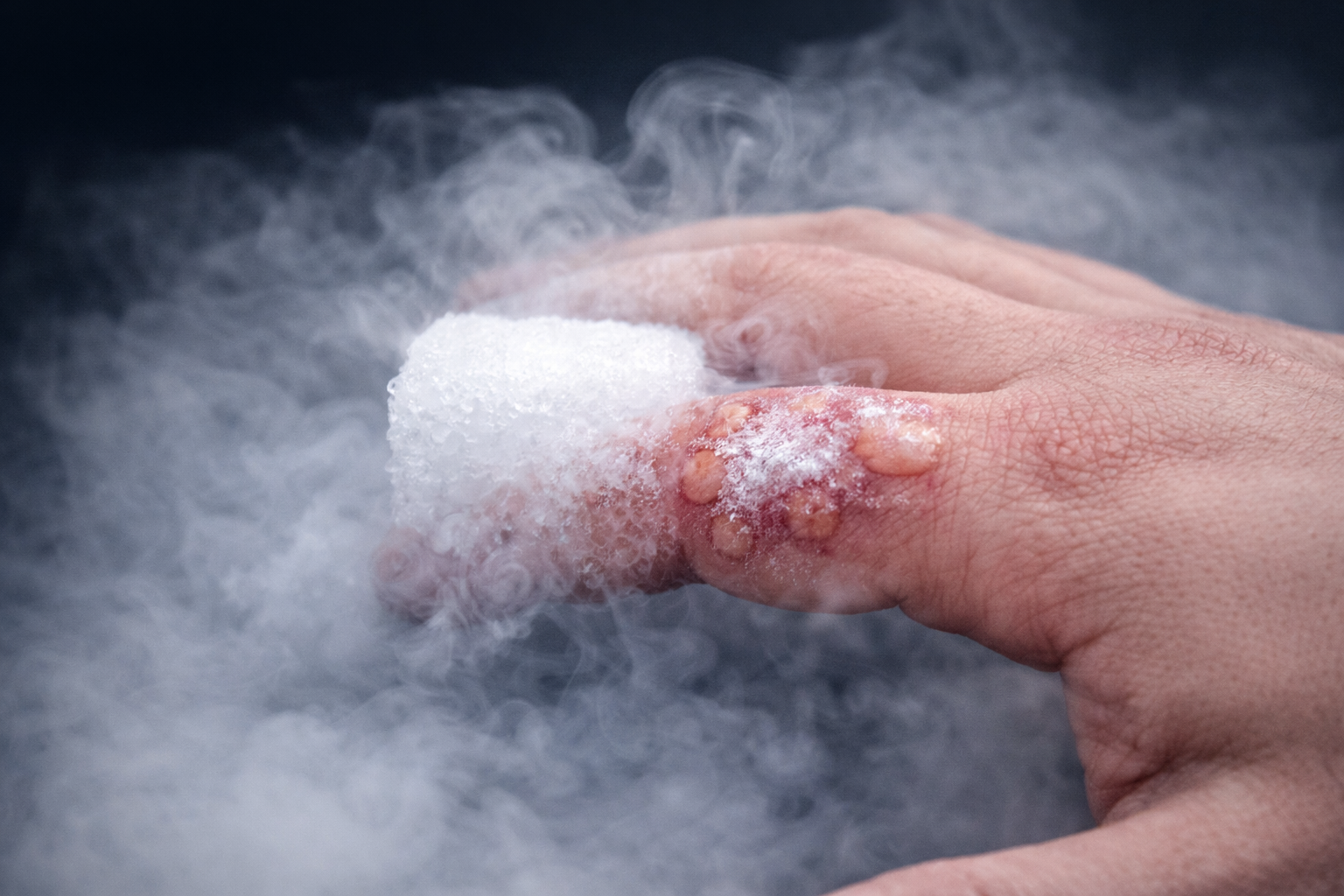
Yes, dry ice is extremely dangerous to touch without protection. At the skin level, it freezes moisture instantly. Your skin contains water, and when that water freezes, it forms ice crystals. These crystals damage cells.
This process is called cold burn or frostbite. It may not feel painful immediately because extreme cold numbs the nerves. After some time, pain starts, and the affected area may turn red or white. In severe cases, blisters can form. This is why gloves are always required when handling dry ice.
What Are Dry Ice Side Effects That Long Term Exposure Can Create?
Dry ice’s long term side effects are often ignored, but they can affect health over time. People who work with dry ice regularly, such as in logistics or laboratories, may face repeated exposure to carbon dioxide gas. Over time, this can impact breathing patterns. Some individuals may experience frequent headaches, fatigue, or reduced concentration.
Repeated minor frostbite injuries can also weaken skin sensitivity. Another long term risk is improper work environment design. If ventilation is poor, continuous exposure can reduce overall air quality. These risks highlight the importance of safety training and proper handling systems.
What Is Dry Ice Used For and Why Is It Still Widely Used?
Despite its risks, dry ice is widely used because of its efficiency. It is commonly used in food delivery systems to keep items frozen. It is used in medical transport to preserve vaccines and biological materials.
Industries use it for cleaning machinery because it leaves no residue. It is also used in events to create visual smoke effects. Understanding what is dry ice used for helps you see its value. But every use must follow safety guidelines to avoid dry ice side effects.
What Are 5 Uses of Dry Ice That Show Its Practical Value?
Dry ice has several important uses across different fields. It is used in food shipping where temperature control is critical. It is used in medical storage to protect sensitive materials. It is used in industrial cleaning without water or chemicals. It is used in entertainment for fog effects. It is used in scientific research for cooling samples.
Each of these uses depends on its ability to stay extremely cold and turn into a gas without leaving residue. But every use also carries risk if not handled properly.

What Happens If You Inhale Dry Ice Fumes and How Does the Body React?
When dry ice turns into gas, it releases carbon dioxide. Your body naturally produces carbon dioxide, but too much of it in the air can be harmful. When you inhale high levels, your breathing rate increases. Your body tries to get more oxygen. You may feel dizzy or lightheaded.
As exposure continues, your brain receives less oxygen. This can cause confusion and slow reactions. In difficult situations, it can lead to unconsciousness. If you inhale dry ice fumes, move to fresh air immediately. Do not stay in the same area. Seek medical help if symptoms continue.
Is Dry Ice Safe to Consume in Drinks or Is It a Hidden Danger?
Dry ice is often used in drinks for visual effects, especially at events and parties. But it is not safe to consume directly. If a person drinks liquid that still contains dry ice, it can cause serious internal damage. The extreme cold can burn the mouth, throat, and stomach.
Even small pieces can be dangerous. For safe use, dry ice must fully evaporate before consumption. This means waiting until no solid particles are left. Dry ice side effects in drinks can be severe if safety is ignored.
Why Can Dry Ice Become Life Threatening in Closed Spaces?
Closed environments increase the risk of carbon dioxide buildup. Dry ice releases gas continuously. In a small room, car, or storage area, this gas replaces oxygen. You may not notice any smell or warning sign. But your body will start reacting.
You may feel tired, dizzy, or short of breath. As oxygen levels drop further, the situation becomes critical. This is why ventilation is the most important safety factor when using dry ice.
How Can You Use Dry Ice Safely in Real Life Situations?
Safe handling of dry ice is simple if you follow proper steps. Always use gloves or tools to handle it. Never touch it directly. Store it in containers that allow gas to escape. Never seal it completely.
Use it only in areas with good airflow. Avoid using it in small, closed spaces. Transport it carefully. If you are carrying it in a vehicle, keep the windows slightly open. Keep it away from children and untrained individuals. These steps can reduce dry ice side effects and make its use safe.
Why Do People Still Get Injured From Dry Ice Despite Awareness?
The main reason is overconfidence. People think small amounts are harmless. They ignore safety instructions. They use it casually without understanding its behavior.
Another reason is a lack of proper guidance. Many people learn about dry ice through social media or informal sources. Without correct information, they take risks without realizing it. Education and awareness are the keys to preventing injuries.

FAQs
Is dry ice harmful or not?
Dry ice can be harmful if used incorrectly. It is extremely cold and releases carbon dioxide, which can cause skin burns and respiratory problems. When handled properly with safety precautions, it can be used safely.
What are the symptoms of dry ice poisoning?
Symptoms include headache, dizziness, shortness of breath, confusion, and rapid heartbeat. In severe cases, it can lead to unconsciousness due to a lack of oxygen.
Is dry ice ok in drinks?
Dry ice is not safe to consume directly. It can only be used for visual effect, and the drink should be consumed only after the dry ice has completely evaporated.
What are three things you should never do with dry ice?
You should never touch dry ice with your bare hands. You should never store it in a sealed container. You should never use it in a closed space without ventilation.
How to handle dry ice safely?
Always use gloves or tools when handling dry ice. Keep it in a ventilated area. Store it in a container that allows gas to escape. Keep it away from children and never inhale its fumes directly.
Can you handle dry ice without gloves?
No, you should never handle dry ice without gloves. Direct contact can cause instant frostbite and damage your skin.
Which poison is called a silent killer?
Carbon monoxide is commonly called a silent killer because it has no smell or color and can cause death without warning. Carbon dioxide from dry ice can also be dangerous in high amounts.
What are the 5 signs and symptoms of poisoning?
Common signs include nausea, dizziness, confusion, breathing difficulty, and unusual fatigue. In severe cases, a person may lose consciousness.
How to recover from dry ice exposure?
Move to fresh air immediately if you inhale fumes. Warm the affected skin slowly if there is frostbite. Avoid rubbing the skin. Seek medical help if symptoms are severe or do not improve.
Conclusion: Why Understanding Dry Ice Side Effects Is Essential for Safety
Dry ice is powerful, useful, and efficient, but it is not harmless. Dry ice side effects can affect your skin, breathing, and overall health if you do not handle it properly. From frostbite to oxygen reduction, the risks are real but preventable.
The best approach is simple. Respect its properties, follow safety guidelines, and never use it carelessly. When you understand the science behind it, you can use dry ice safely and confidently without putting yourself or others at risk.
Read More:
What is Dry Ice and Why It Matters in Saudi Arabia
What Is Dry Ice Used For in the Modern World of Industrial Gas and Advanced Cooling
Best Dry Ice Blasting Saudi Arabia: Eco Friendly and Efficient Cleaning Solutions
Dry Ice Dangers You Cannot Ignore: Hidden Health Risks and Safe Handling Truths