

Summarize This Post With
This Page Covers :
-
Dry Ice for Cooling in the Food Industry
-
Why Food Companies Prefer Dry Ice?
-
How to Use Dry Ice for Cooling in Food Storage?
-
Where to Buy Dry Ice for Cooling?
-
How to Make Dry Ice for Cooling?
-
Role of Dry Ice Coolers in Food Transport
-
Dry Ice Cooler Explosion and How to Avoid It
-
Is Dry Ice Dangerous for Food Businesses?
-
Practical Applications in Different Food Sectors
-
Benefits for Quality and Customer Trust
-
Storage Guidelines for Food Companies
-
Choosing the Right Supplier
-
Environmental and Business Advantages
-
Common Mistakes Food Companies Must Avoid
-
Future of Dry Ice in Food Logistics
-
FAQs:
-
Is dry ice good for cooling?
-
How long will dry ice keep a cooler cool?
-
Will dry ice cool a room?
-
Can humans touch dry ice?
-
Can I cool my drink with dry ice?
-
Conclusion
Food companies face serious problems every single day. Fresh products spoil quickly. Frozen meals lose quality. Long distance deliveries become risky. Regular ice melts too fast and creates water that damages packaging and ruins food. Customers expect perfect freshness, but heat and time work against every business.
These pain points push food brands to search for a stronger solution. They need a cooling method that works longer, stays colder, and does not create a wet mess. This is why many successful companies rely on Dry Ice for Cooling. It offers powerful temperature control, clean storage, and safe transport without the problems of normal ice.
This article explains in detail how food companies use dry ice, why it is so effective, and what every business owner must know before using it. You will learn practical methods, safety guidelines, and professional tips that help protect food quality from the factory to the customer.

Dry Ice for Cooling in the Food Industry
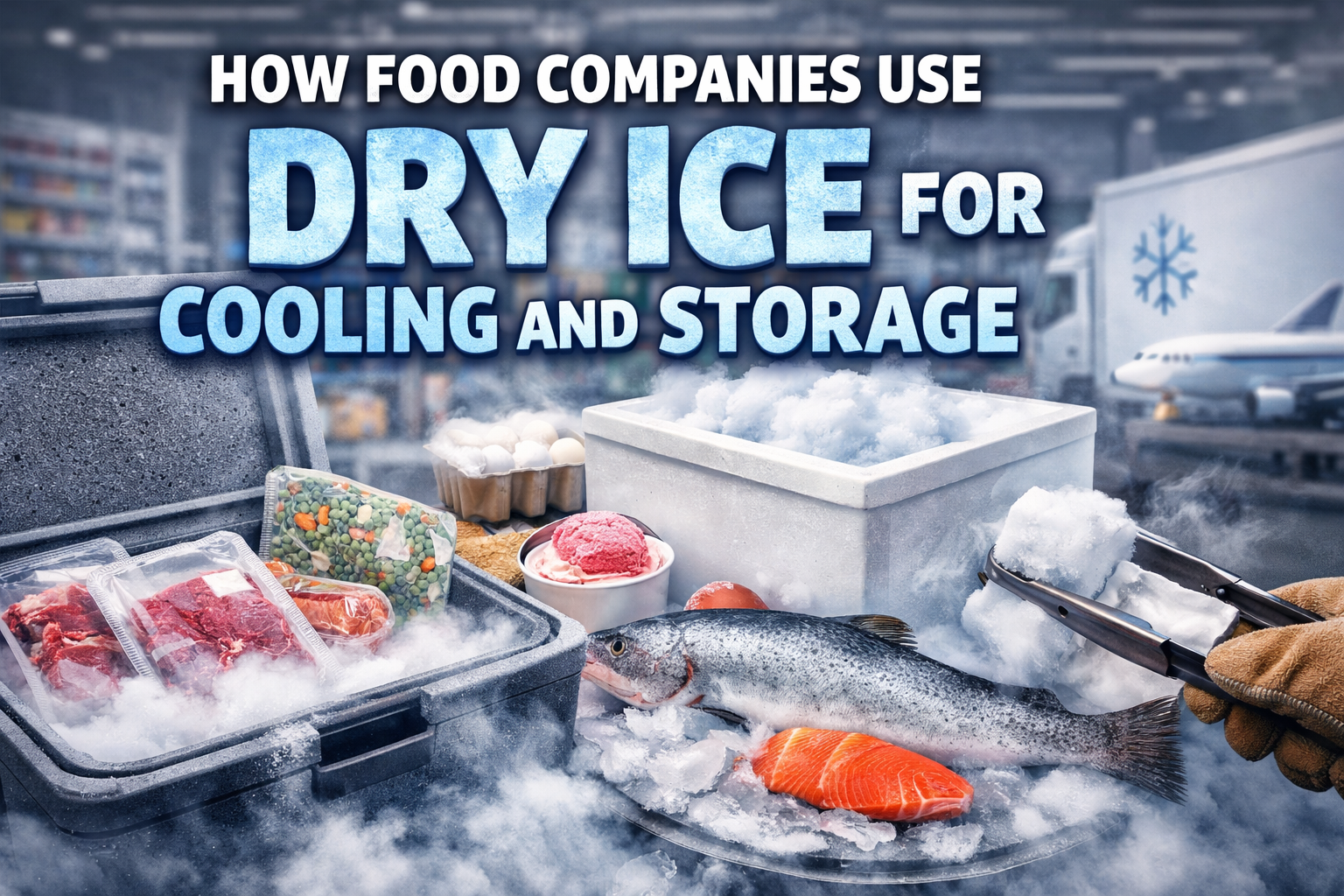
Food companies handle products that are extremely sensitive to temperature. Meat, seafood, dairy items, frozen desserts, and ready meals all require strict cooling conditions. Dry ice gives businesses a dependable way to maintain these conditions.
Unlike water ice, dry ice does not melt into liquid. It changes directly from solid to gas. This special feature keeps food dry and fresh during storage and transport. Because of its very low temperature, dry ice cools products much faster and keeps them frozen for longer periods.
Many global food brands have built their entire delivery systems around dry ice. It allows them to ship items across cities and countries while maintaining perfect quality.
Why Food Companies Prefer Dry Ice?
Food businesses choose dry ice for several strong reasons. First, dry ice provides extremely cold temperatures that normal ice cannot reach. This protects frozen foods during long journeys.
Second, dry ice leaves no water behind. Wet packaging often leads to damaged labels and soggy boxes. Dry ice removes this problem completely. Third, dry ice is clean and safe for food when used properly. It does not add taste, smell, or chemicals to products. These advantages make Dry Ice for Cooling a trusted solution in modern food logistics.
How to Use Dry Ice for Cooling in Food Storage?
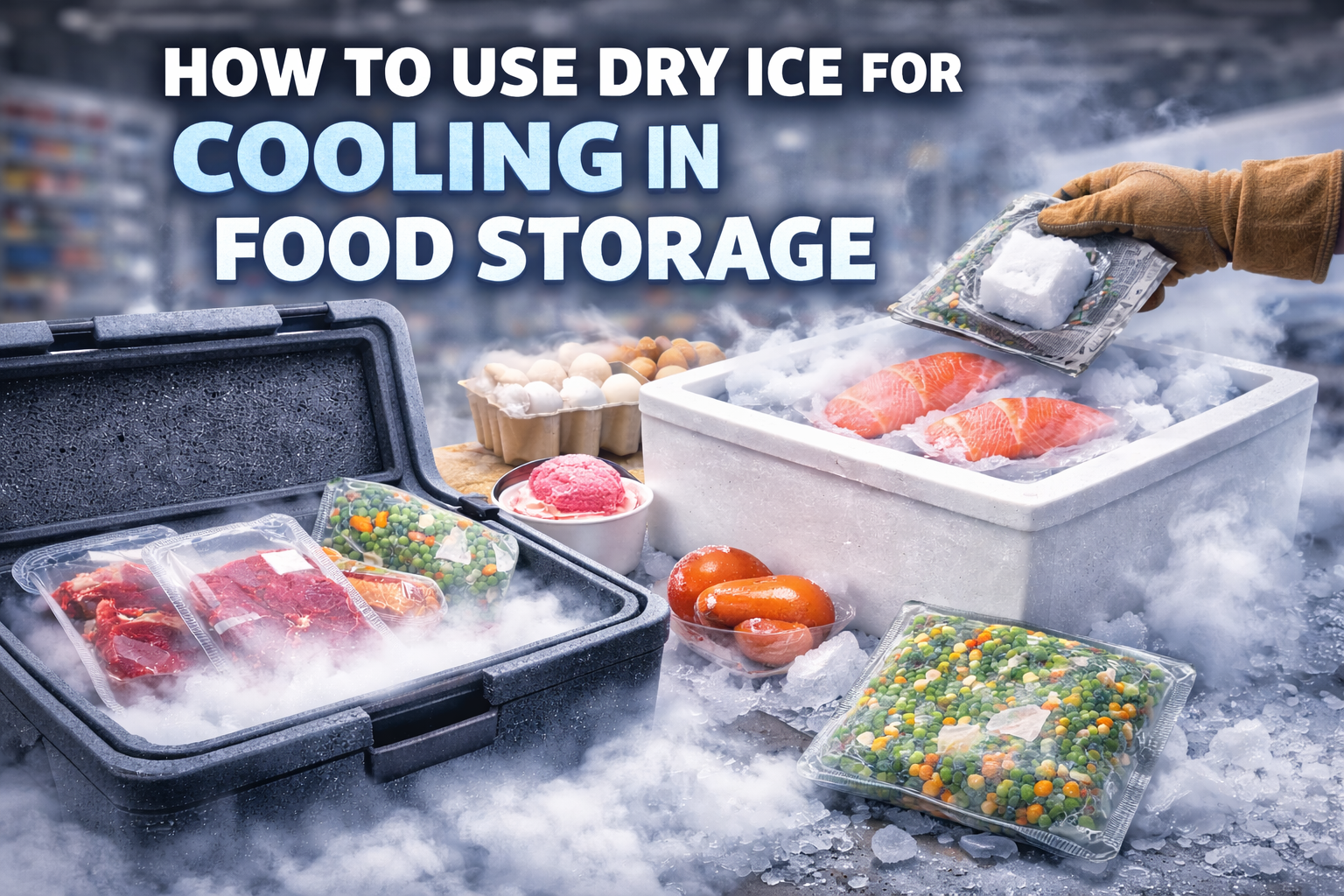
Many food managers ask how to use dry ice for cooling in the correct way. The process is simple when proper steps are followed. Companies place dry ice inside insulated containers or special cold storage boxes. Food items are packed tightly to reduce space. The dry ice is positioned either on top or around the products, depending on the type of food.
Protective wrapping is used to prevent direct contact between food packages and dry ice. This prevents freezing damage to sensitive items. Ventilation holes are always included in storage containers. These holes allow gas to escape safely as the dry ice slowly disappears. By following these methods, businesses maintain safe temperatures for many hours or even days.
Where to Buy Dry Ice for Cooling?
A common question for new businesses is where to buy dry ice for cooling. Fortunately, dry ice is widely available in most regions. Food companies usually purchase dry ice from industrial gas suppliers, ice manufacturers, and specialized distributors. Supermarkets and cold chain logistics firms also sell it in bulk quantities.
In Saudi Arabia, many restaurants and food exporters depend on reliable suppliers of Dry Ice Jeddah services. These suppliers deliver fresh dry ice directly to warehouses, kitchens, and shipping centers. When buying dry ice, companies check quality, freshness, and delivery speed. Fresh dry ice lasts longer and performs better, so timing is very important.
How to Make Dry Ice for Cooling?
Some people wonder how to make dry ice for cooling on their own. In reality, food companies rarely try to produce dry ice themselves. Dry ice production requires advanced machines that compress and cool carbon dioxide gas into solid form. This process needs technical knowledge and professional equipment.
For a food business, making dry ice inhouse is usually expensive and impractical. Purchasing from certified suppliers ensures better quality and a consistent supply. Because of safety and efficiency reasons, most companies focus on buying ready made dry ice instead of trying to manufacture it.
Role of Dry Ice Coolers in Food Transport
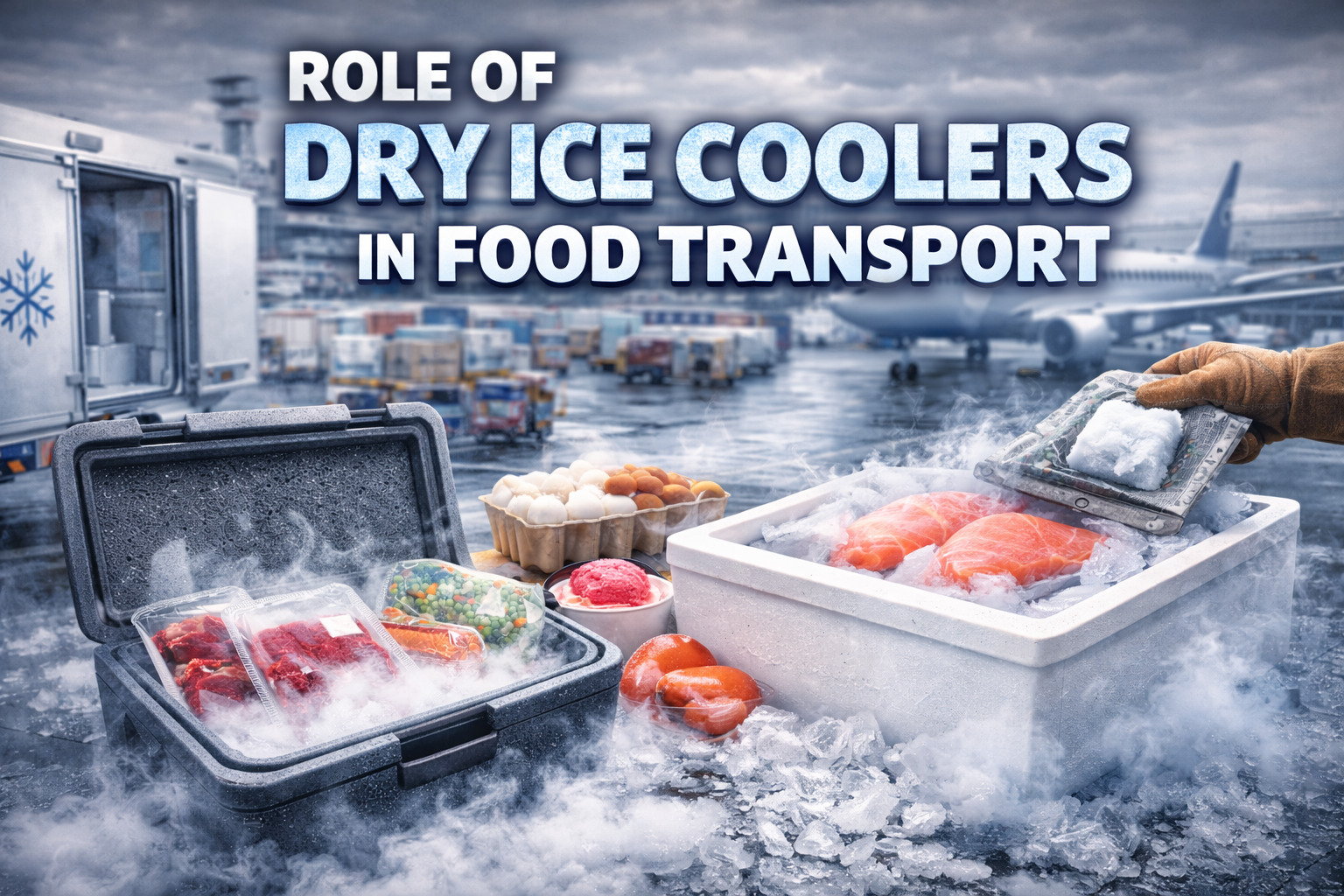
Dry ice coolers play a vital role in modern food delivery systems. These are strong, insulated boxes designed specifically to hold dry ice and food products together.
Restaurants use dry ice coolers to transport frozen meals to events and catering locations. Seafood exporters ship fresh catch across long distances using these coolers. Online food delivery brands rely on them to send frozen products directly to customers’ homes.
Dry ice coolers maintain steady low temperatures without electricity. This makes them perfect for trucks, airplanes, and remote deliveries. For many businesses, dry ice coolers are the backbone of their cold chain operations.
Dry Ice Cooler Explosion and How to Avoid It
One important risk food companies must address is the risk of a dry ice cooler explosion. This risk appears when dry ice is stored in completely airtight containers. As dry ice sublimates, pressure builds inside the box. Without proper ventilation, the container can burst suddenly.
Professional food companies avoid this problem by using specially designed coolers with pressure release features. They never lock dry ice inside sealed bottles, jars, or metal containers. Training staff about correct storage methods prevents accidents and protects both workers and products.
Is Dry Ice Dangerous for Food Businesses
Many new users ask the question, is dry ice dangerous. The honest answer is that dry ice can be dangerous if handled carelessly. Direct contact with skin can cause serious cold burns. In closed spaces, the gas from dry ice can reduce oxygen levels. These risks require careful handling.
Food companies manage these dangers by providing gloves, safety tools, and proper training. Storage rooms are kept well ventilated, and workers follow strict guidelines. When rules are followed, dry ice becomes a safe and extremely useful material for the food industry.
Practical Applications in Different Food Sectors
Different parts of the food world use dry ice in unique ways. Meat processors pack frozen cuts with dry ice for long distance shipping. Ice cream manufacturers rely on it to keep products solid during delivery. Seafood companies use dry ice to protect freshness from port to market.
Meal delivery services place dry ice inside customer boxes to keep dinners frozen until arrival. Even supermarkets use dry ice to manage emergency cooling when equipment fails. These real examples show how deeply Dry Ice for Cooling is connected to daily food operations.
Benefits for Quality and Customer Trust
Using dry ice directly improves product quality. Foods remain at safe temperatures and reach customers in perfect condition. When buyers receive fresh and properly frozen items, they trust the brand more. This trust leads to repeat orders and stronger business growth.
Dry ice also reduces waste. Fewer products spoil during transport, which saves money and protects the company’s reputation.
Storage Guidelines for Food Companies
Correct storage of dry ice is essential for success. Companies keep dry ice in thick, insulated containers. They never place it in regular freezers because it can damage equipment. Orders are planned carefully so dry ice arrives close to the time of use.
Staff members receive clear instructions on handling, ventilation, and emergency procedures. These steps keep operations smooth and safe.
Choosing the Right Supplier
A good supplier makes a huge difference in performance. Food businesses look for vendors that offer fast delivery, fresh products, and reliable service. They also prefer suppliers who guide quantities and best practices. In regions like Saudi Arabia, selecting a trusted Dry Ice Jeddah provider ensures a steady supply for restaurants, exporters, and catering companies.
Environmental and Business Advantages
Dry ice supports cleaner logistics. It leaves no plastic waste and no water pollution. The carbon dioxide used in dry ice often comes from recycled industrial sources. From a business point of view, dry ice lowers losses, improves efficiency, and helps companies expand delivery areas.
Common Mistakes Food Companies Must Avoid
New users sometimes make errors that reduce effectiveness.
- They seal dry ice in airtight boxes.
- They buy dry ice too early before shipping.
- They use thin containers with poor insulation.
- They allow untrained staff to handle dry ice.
Avoiding these mistakes protects both products and people.
Future of Dry Ice in Food Logistics
As online food delivery grows, demand for dry ice continues to rise. More companies are investing in advanced coolers and smarter packing systems. Dry ice remains one of the most reliable tools for maintaining food safety in a fast moving world.

FAQs:
Is dry ice good for cooling?
Yes, dry ice is excellent for cooling. It stays much colder than regular ice and keeps food or products frozen for a longer time without creating water or a mess.
How long will dry ice keep a cooler cool?
Dry ice can keep a well insulated cooler cold for 18 to 24 hours on average. The exact time depends on the amount of dry ice, cooler quality, and outside temperature.
Will dry ice cool a room?
No, dry ice should not be used to cool a room. It releases carbon dioxide gas, which can reduce oxygen levels and become dangerous in closed spaces.
Can humans touch dry ice?
No, humans should not touch dry ice with their bare hands. It is extremely cold and can cause severe skin burns. Always use gloves or tools to handle it.
Can I cool my drink with dry ice?
Yes, you can cool a drink with dry ice, but only carefully. Never swallow dry ice and never put it directly in your mouth. Use small amounts and allow the ice to fully disappear before drinking.
Conclusion
Food companies operate in a world where temperature control decides success or failure. Ordinary cooling methods often fall short, especially during long transport and storage. This is why Dry Ice for Cooling has become an essential part of modern food logistics.
From protecting frozen meals to delivering fresh seafood, dry ice gives businesses the power to maintain quality, reduce waste, and satisfy customers. By using correct methods, choosing good suppliers, and following safety rules, any food company can benefit from this powerful cooling solution.
Dry ice helps brands deliver freshness, reliability, and trust. For the food industry, it remains one of the smartest investments in safe storage and transport.
Read More:
What is Dry Ice and Why It Matters in Saudi Arabia
What Is Dry Ice Used For in the Modern World of Industrial Gas and Advanced Cooling
Best Dry Ice Blasting Saudi Arabia: Eco Friendly and Efficient Cleaning Solutions
Dry Ice Dangers You Cannot Ignore: Hidden Health Risks and Safe Handling Truths